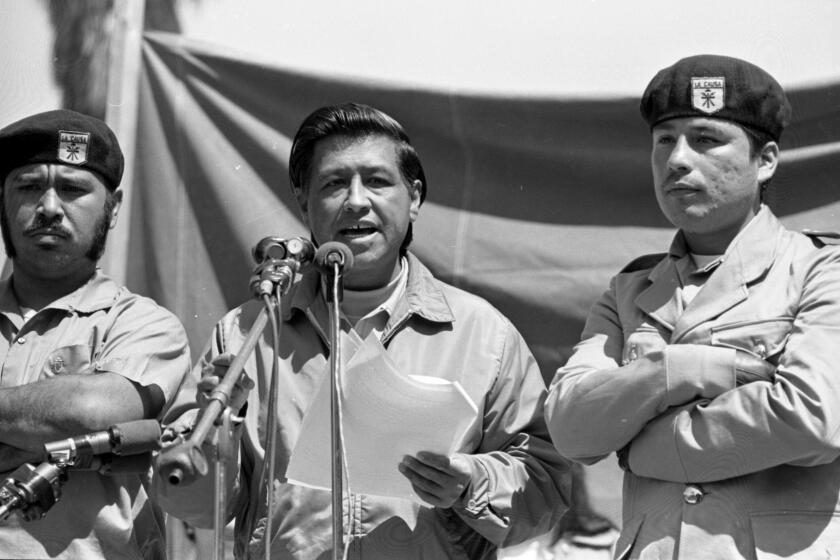
Cesar Chavez's Values: Inspiring Today's Fights for Justice & Union Rights
In the annals of American history, few figures resonate with the enduring power of justice and worker advocacy quite like Cesar Chavez. His unwavering commitment to the rights of the most vulnerable, particularly farmworkers, forged a legacy that continues to inspire movements for social and economic equality today. From the picket lines of California's fields to the Oval Office, his philosophy of non-violent resistance and collective action remains a powerful blueprint for change, constantly generating relevant
Cesar Chavez News and discussions.
The Enduring Legacy of Cesar Chavez: A Blueprint for Justice
Cesar Chavez's name is synonymous with the struggle for dignity and fair treatment for farmworkers in the 1960s and beyond. As the charismatic leader of the United Farm Workers (UFW), Chavez orchestrated monumental campaigns, including the pivotal grape boycott that reached supporters across the nation. His tools were perseverance, sacrifice, and an unshakeable belief in the power of the people. Through grueling fasts for justice and relentless organizing, Chavez brought the plight of farmworkers—who toiled for meager wages, without basic amenities like access to bathrooms, and exposed to harsh pesticides and scorching heat—into the national consciousness.
Before Chavez and the UFW's relentless advocacy, farmworkers existed largely outside the protective umbrella of labor laws. They were denied just wages, unemployment benefits, and safe working conditions. The UFW’s efforts successfully secured crucial legal protections, marking a seismic shift for an exploited workforce. The core values that drove Chavez—non-violence, resilience through setbacks, unwavering dedication to human dignity, and the refusal to scale back his dreams—are not just historical footnotes; they are active principles guiding contemporary fights for union rights and social justice across America. His life demonstrated that even against seemingly insurmountable odds, organized people committed to a cause can achieve remarkable transformations.
Chavez's Values in Action: Inspiring Today's Movements
The principles championed by Cesar Chavez remain remarkably relevant, serving as a moral compass for a new generation of activists and leaders. Today, as we grapple with complex issues, the echo of Chavez's voice can be heard in various ongoing struggles:
- Protecting the Right to Unionize: Chavez's foundational work in establishing the UFW underscores the indispensable value of collective bargaining. In an era where workers' rights are frequently challenged, his example inspires efforts to empower employees across industries, ensuring fair wages, safe conditions, and a voice in their workplaces.
- Advancing Social Justice and Equality: His fight was inherently a battle for social justice, extending beyond the fields to resonate with young men of color and marginalized communities striving for equitable treatment and opportunities. Chavez's vision emphasizes building "ladders of opportunity" for every American to climb, regardless of their background.
- Addressing Income Inequality and Raising the Minimum Wage: Chavez firmly believed that "no one who works full time should have to live in poverty." This sentiment fuels contemporary movements to raise the minimum wage, advocating for living wages that allow hardworking individuals and families to thrive.
- Fixing a Broken Immigration System: Given that a significant portion of farmworkers were and still are immigrants, Chavez’s advocacy for their rights inherently touches upon the need for a just and humane immigration system. His legacy reminds us to treat all workers with dignity, regardless of their immigration status.
President Joe Biden's embrace of Chavez's legacy is a testament to this enduring influence, symbolized by the bust of Chavez prominently displayed in the Oval Office. Furthermore, Chavez's granddaughter, Julie Chavez Rodriguez, serves as a key figure in Biden’s political endeavors, bridging the historical fight for farmworkers with current political leadership. This connection highlights how Chavez's vision continues to shape national policy and political discourse. Inspired by Chavez, individuals and communities today are encouraged to engage in local organizing, support ethical labor practices, and advocate for legislative changes that champion the rights of all workers.
Navigating Complex Legacies: The Chavez Family's Stance and Recent Controversies
Recent events have thrust Cesar Chavez's legacy into the spotlight, making him a prominent feature in current
Cesar Chavez News. One significant development revolves around the political landscape, specifically concerning Robert Kennedy Jr.'s presidential campaign. The Chavez family, including his sons Paul and Fernando Chavez, and grandchildren Andres Chavez and Julie Chavez Rodriguez, have expressed "shock and horror" at Kennedy Jr.'s exploitation of Chavez’s image and the long-standing friendship between their families for his campaign advertising.
In a powerful declaration this weekend, the Chavez family announced their endorsement of President Joe Biden for president. This stance mirrors that of numerous Kennedy family members who have publicly denounced Robert Kennedy Jr.'s candidacy as a betrayal of his father's political legacy. Fernando Chavez voiced deep concern, stating, "I’m kind of horrified and saddened about that," particularly fearing that any support for Kennedy Jr. could inadvertently aid Donald Trump's return to the White House. The family also pointed to critical issues like the impact of COVID-19 on farmworkers, exacerbated by misinformation—a stark contrast to the Cesar Chavez Foundation's efforts, led by Andres Chavez, to vaccinate these essential workers.
Adding another layer of complexity to Chavez’s historical standing, recent investigations have revealed troubling allegations of sexual abuse against the late labor leader. These "stunning" claims have led leaders in states like Arizona and California, which traditionally observe Cesar Chavez Day on March 31st, to reconsider their long-standing tributes. Arizona Governor Katie Hobbs, for instance, has publicly stated her office will no longer recognize the holiday, citing deep concern over the allegations. This development underscores the challenging but necessary process societies undertake when re-evaluating historical figures and their legacies in light of new information.
Lessons from the Past, Strategies for the Future
The current landscape surrounding Cesar Chavez's legacy presents a nuanced and multifaceted discussion. On one hand, his enduring values of non-violent resistance, community organizing, and an unwavering fight for the dignity of workers remain profoundly inspiring and relevant to today's struggles against income inequality, for union rights, and for social justice. The continuous flow of
Cesar Chavez News demonstrates his ongoing impact on public discourse and political action.
On the other hand, the recent allegations of sexual abuse require a critical and somber re-evaluation, challenging how we honor and learn from historical figures. This situation reminds us that even heroes can be complex and flawed individuals. It compels us to distinguish between the ideals a movement embodies and the personal conduct of its leaders, engaging in a thoughtful process of historical discernment.
Ultimately, the fight for justice and workers' rights, the core of Chavez's life's work, transcends the individual. We can draw strength from his strategic vision, resilience through adversity, and the profound impact of collective action, while simultaneously acknowledging and grappling with uncomfortable truths. The lessons of Cesar Chavez’s life, both his triumphs and the shadows that have emerged, encourage us to remain vigilant, to advocate for the vulnerable, and to continually strive for a more equitable world with integrity and critical awareness.
Conclusion
Cesar Chavez's legacy is a tapestry woven with threads of remarkable achievement, enduring inspiration, and now, challenging introspection. His values of perseverance, non-violence, and unwavering dedication to the most marginalized workers continue to light the path for contemporary fights for justice and union rights. From presidential endorsements to grassroots movements for fair wages and immigration reform, his spirit guides those who refuse to accept inequality. While recent allegations compel a difficult but necessary re-evaluation of his personal conduct, the power of the movement he ignited—a movement for dignity and respect for all who labor—remains an indispensable force. As society navigates these complexities, the fundamental call for justice, inspired by Chavez, resonates as powerfully as ever.